
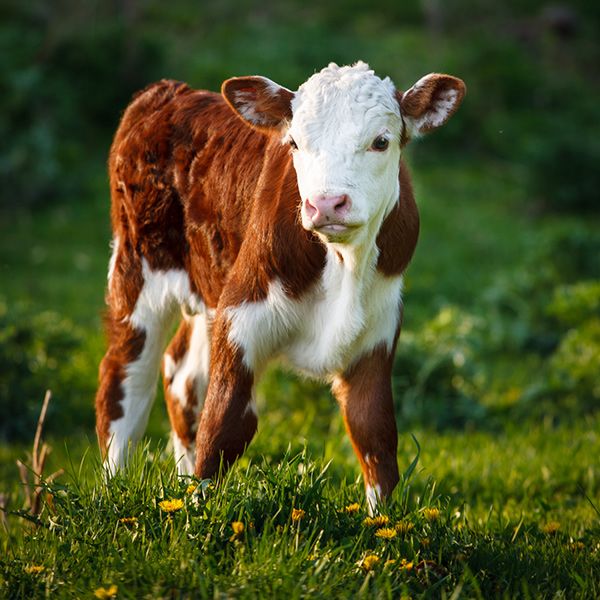
In-Calf Pedigree Heifer
KES 170,000 each
A pedigree in-calf heifer from our Friesian and Jersey lines. She is vaccinated and dewormed, comes with lineage and health records, and will be a productive first-calver.
| Price | KES 170,000 each |
|---|---|
| Typical range | KES 140,000 – 260,000 (recently served KES 140,000–150,000; 5–8 months pregnant KES 170,000–260,000) |
| Heifer calf, 6 months | KES 55,000 – 70,000 |
In-calf pedigree heifer. Based on current Kenyan market listings. We confirm the exact price on WhatsApp.
Details
| Type | Pedigree in-calf heifer |
|---|---|
| Breed lines | Friesian and Jersey crosses |
| Expected yield | About 20–25 L a day at first calving |
| Age | About 20–26 months |
| Records | Lineage, vaccination and service records provided |
Why choose it
- Pregnancy already confirmed
- Starts producing soon after you buy
- Pedigree and health records included
Applications
- Starting or expanding a dairy herd
- Replacing older cows
- Breeding programmes
Care and management
- Housing: a dry, well-ventilated shed with a clean non-slip floor, a cubicle or deep-bedded stall (about 8–10 m² per cow) and shade in the heat of the day.
- Feeding: good roughage (napier, Rhodes, hay or silage) at about 3% of body weight in dry matter, plus dairy meal (about 1 kg for every 2 litres of milk above the first 8–10 litres) and a mineral lick.
- Water: clean water on demand. A lactating cow drinks 80–120 litres a day, and low water intake cuts milk quickly.
- Milking: milk at the same times every day with clean hands and teat dip before and after. Check for mastitis with a CMT at least monthly.
- Vaccination: FMD every 6 months, lumpy skin disease yearly, anthrax and blackleg yearly, and brucellosis for heifers. Keep a record card.
- Parasites: control ticks with a spray or dip (East Coast Fever) every 1–2 weeks in tick areas, and deworm every 3 months.
- Breeding: watch for heat every 21 days, serve by AI or a tested bull 60–90 days after calving, and dry the cow 60 days before calving.
- Hooves and welfare: trim hooves twice a year, keep the floor clean, and call a vet early for fever, off-feed or a drop in milk.